How to Take Notes in a Library Without Distracting Others
The reading room has its own physics. Sound carries further than it should, a dropped pen lands like a slamming door, and the person two tables over seems to hear every page you turn. Most of us have been on both sides of that: the sharp glance from a stranger, and the hot guilt of being the one who caused it. Taking good notes in a shared space isn't about being silent — nobody expects a statue at the desk. It's about removing the small frictions that pull other people out of their work while still leaving yourself free to think, write and organise ideas properly. What follows is the checklist worth running through before you settle in for a long session.
Choose your seat like you're planning a route
Where you sit decides most of the noise you'll make before you've written a single word. Walk one loop of the room before committing.
- Take the end seat, not the middle. An aisle-side chair means you disturb one neighbour instead of two when you get up.
- Avoid the entrance, the returns trolley and the printer. Those three spots produce constant foot traffic, and foot traffic produces the chair-scraping and bag-rustling you'll be blamed for.
- Test the table with your hand. A wobbly table rattles every time you press a pen to paper. Swap it now rather than after twenty minutes of subtle shaking.
- Check which side your writing hand faces. If you're left-handed and the desks are fixed, an outside seat stops your elbow from bumping the person beside you.
- Locate the nearest socket and the nearest exit before unpacking, so you don't rearrange your whole setup halfway through.
- Read the zoning signs. Silent study, quiet study and group areas follow different rules; a whispered question that's fine in one is not fine in another.
Set up once, then leave it alone
The single most common disturbance in a library isn't a loud person. It's a quiet person rummaging. A bag being searched for a highlighter at minute forty is more disruptive than a pen tapping at minute four, because by then everyone has settled.
So unpack fully at the start. Take out every pen you might use and lay them in a row. Put the notebook or laptop where it will stay. Fill your water bottle before you sit down, and choose one with a screw cap rather than a crinkling plastic bottle. If you're bringing a pencil case, pick a soft pouch over a hard tin, and open zips slowly — they're quieter half-open than yanked.
Leave the clicky pens at home. Ballpoints with caps make almost no sound; retractable pens invite a habit you won't notice and your neighbour will. If you use a highlighter, keep one or two out rather than a nest of six, and resist the urge to snap the caps on and off while you read.
The sounds you stop hearing and everyone else doesn't
Most library noise is unconscious. You tune out your own tapping, humming, sniffing and chair-shuffling within minutes. The people around you never do.
- Pen clicks and cap snaps. The classic. Swap the pen or keep your hands busy elsewhere.
- Finger drumming and foot tapping. Especially against a table leg, which turns your leg into a drum skin for the whole row.
- Phone vibration on wood. A buzzing phone on a table is louder than a ringtone in a bag. Put it on fabric, or on silent, or in your pocket.
- Headphone leakage. If you can hear your own music clearly at low volume, the person beside you can hear the treble. Closed-back headphones or earbuds that sit properly solve this.
- Crisp packets and clinking bottles. Save the snack for the corridor.
If you want a quick audit, spend your first five minutes simply listening to the room. That's the volume you need to stay under.
Move without turning it into a scene
Movement is where considerate note-takers separate from the rest. A chair dragged six inches across a wooden floor can be heard across a silent floor.
- Lift, don't drag. Stand slightly, take the weight of the chair with one hand, and set it back down.
- Sit down gently. Dropping into a chair thumps the floor and jolts the table.
- Pack in stages. Slot books into your bag one at a time during natural pauses instead of emptying the desk in one noisy sweep.
- Walk the edges. The central aisle carries sound and sightlines; the perimeter doesn't.
- Keep your legs still. Both feet flat, or crossed at the ankle, gives restlessness somewhere to go.
Note-taking methods that suit a quiet room
Your system should reduce the number of small actions per page, not just the number of words.
On paper, a notebook that lies flat and opens fully is worth more than a beautiful one that fights you. Write on both sides to halve the page turns. Set up your page before you start — heading, date, a margin for follow-up questions — so you're not shuffling loose sheets or hunting for a ruler mid-thought. If you use the Cornell layout, draw the columns once at the top of a session rather than re-drawing them for every page.
On a keyboard, the goal is fewer clicks and fewer keystrokes. Mute system sounds and notification pings before you open anything. Work in one document per session so you're not switching windows with audible mouse clicks. If you have a mechanical keyboard, this is the day it stays in the bag; a low-profile board or a keyboard cover knocks the volume down considerably. Learn the three or four shortcuts you use most — new line, save, find — and you'll cut a surprising amount of clicking.
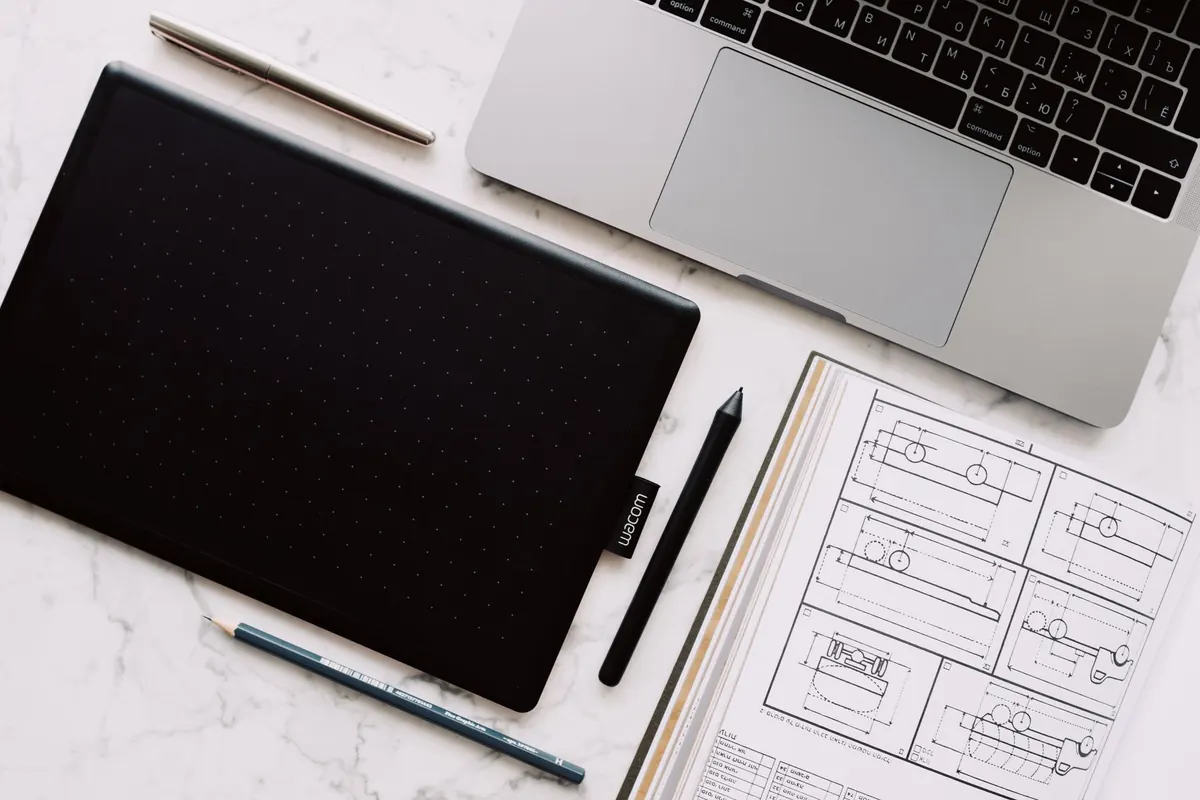
On a tablet, tapping on bare glass carries further than people expect. A matte screen protector changes both the sound and the feel, and a stylus with a soft tip is quieter than a fingernail. Turn off keyboard clicks in settings; it's a one-line fix that many people never make.
Whichever you choose, work in blocks. Twenty-five or thirty minutes of writing, then a pause. It concentrates whatever rustling you do into a few predictable moments instead of scattering it across the whole afternoon.
Handling the awkward moments
Someone's phone rings two seats away and they answer in a stage whisper. You need to take a call yourself. A neighbour asks you a question. None of this needs to be a confrontation.
If you have to talk, leave the room. Whispering across a silent floor carries further than a normal voice in a corridor, and it makes everyone strain to hear. If someone speaks to you, keep your reply to a sentence and a low tone; if it's longer than that, suggest the lobby. If you're the one being disturbed, a folded note slid across the table works better than a hissed request, and moving seats is always allowed. For persistent problems, the desk staff handle it without naming you.
When you leave for a break, take your valuables, and leave a jacket on the chair or a note on the desk so nobody clears your spot. Tell your neighbour roughly how long you'll be — it takes four seconds and prevents a small standoff later.
A two-minute reset before you go
End the session the way you began it: quietly. Close the notebook, cap the pens, and put things away in the order you'll want them next time. Wipe the desk of crumbs and pencil shavings with a tissue rather than brushing them onto the floor. Push the chair in with a hand on the seat. On your way out, glance back at the table — if it looks like nobody sat there, you've done it right.
None of these habits will slow your note-taking down. Most of them speed it up, because a settled desk and a settled room leave your attention where it belongs: on the page in front of you.
Photo: wal_172619 / Pixabay

How to Take Meeting Notes That People Actually Use
Meeting notes should capture decisions, owners, and next steps so anyone can act on them later. A...
The Weekly Note Cleanup Routine for Busy Professionals
A 30-minute weekly routine for clearing stale notes, pulling out real action items, and setting up a calm...
About Us